
Tsum Communities
Rachen Nunnery and Mu Gompa
A hidden valley blessed by centuries of Dharma
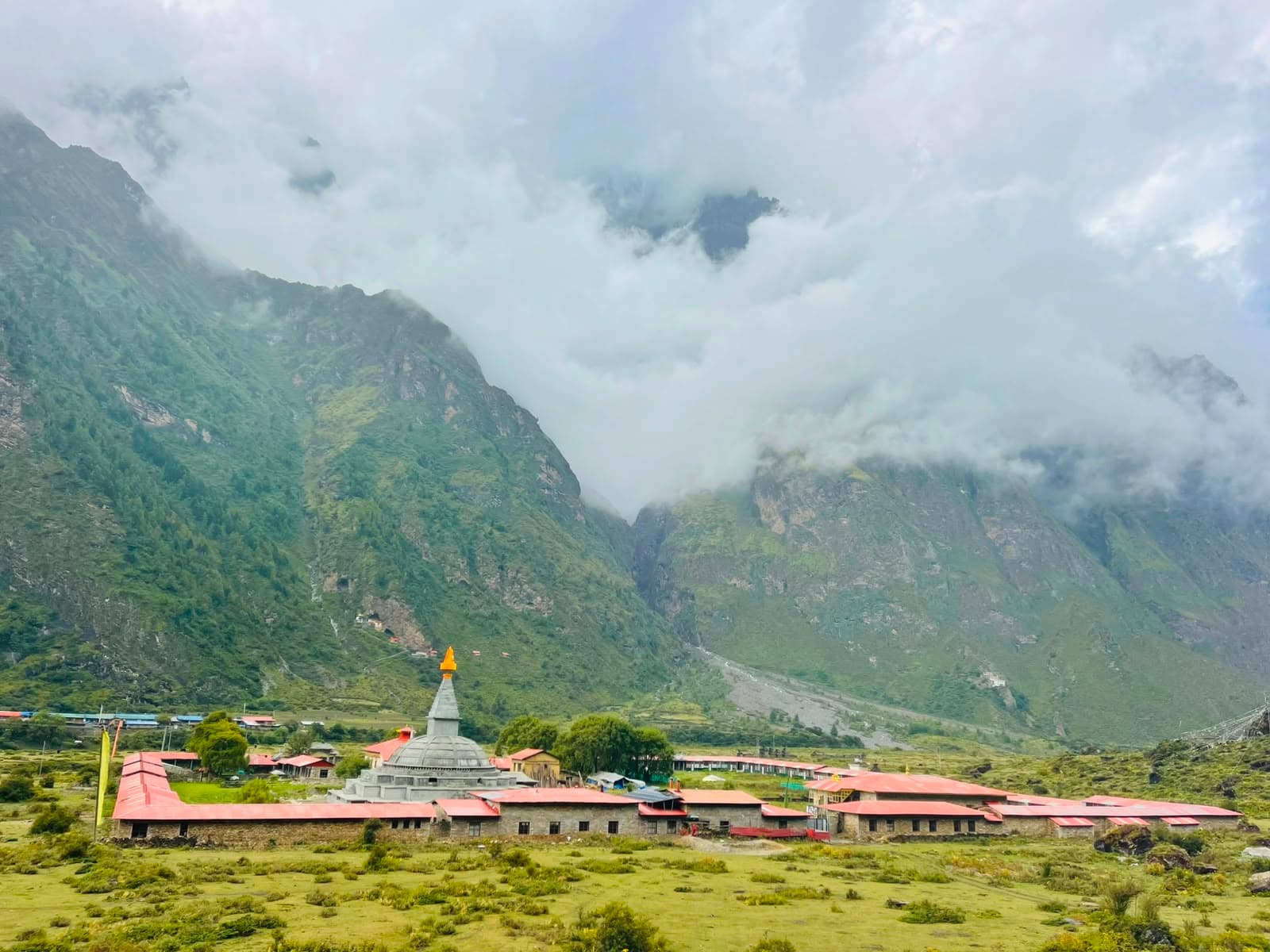
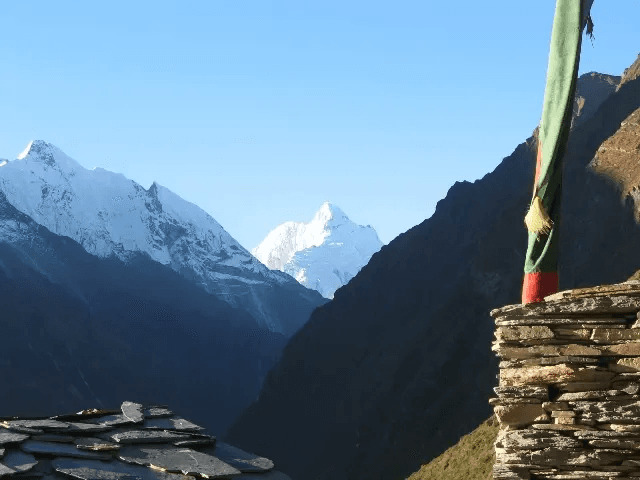
High in the Himalayan ranges, near the majestic Ganesh Mountain, lies a hidden valley called Tsum. It's an ancient Buddhist region close to Tibet, with a long history of Dharma practice, blessed by meditators such as Padmasambhava, Milarepa, and many others — a highly conducive place for practice, and a special place to attain liberation in this very lifetime. Its small villages cluster along the river that rages down the steep valley, and among them are Mu Gompa and Rachen Nunnery.
Rachen Nunnery and Mu Gompa were established in 1936 by Drupa Rinpoche, a Bhutanese lama who meditated in the caves along the rim of the valley. In 2005, his incarnation, the present Drupa Rinpoche, asked Lama Zopa Rinpoche to take care of the two sangha communities, who at the time were living in extremely dire circumstances. Lama Zopa Rinpoche accepted, and asked Kopan Monastery to take over their administration.
Rachen Nunnery
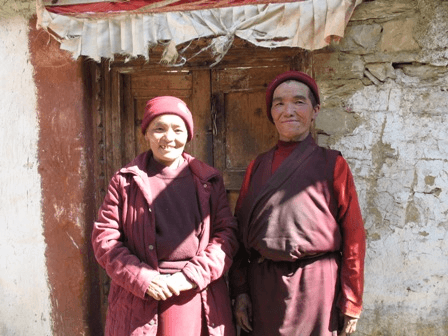
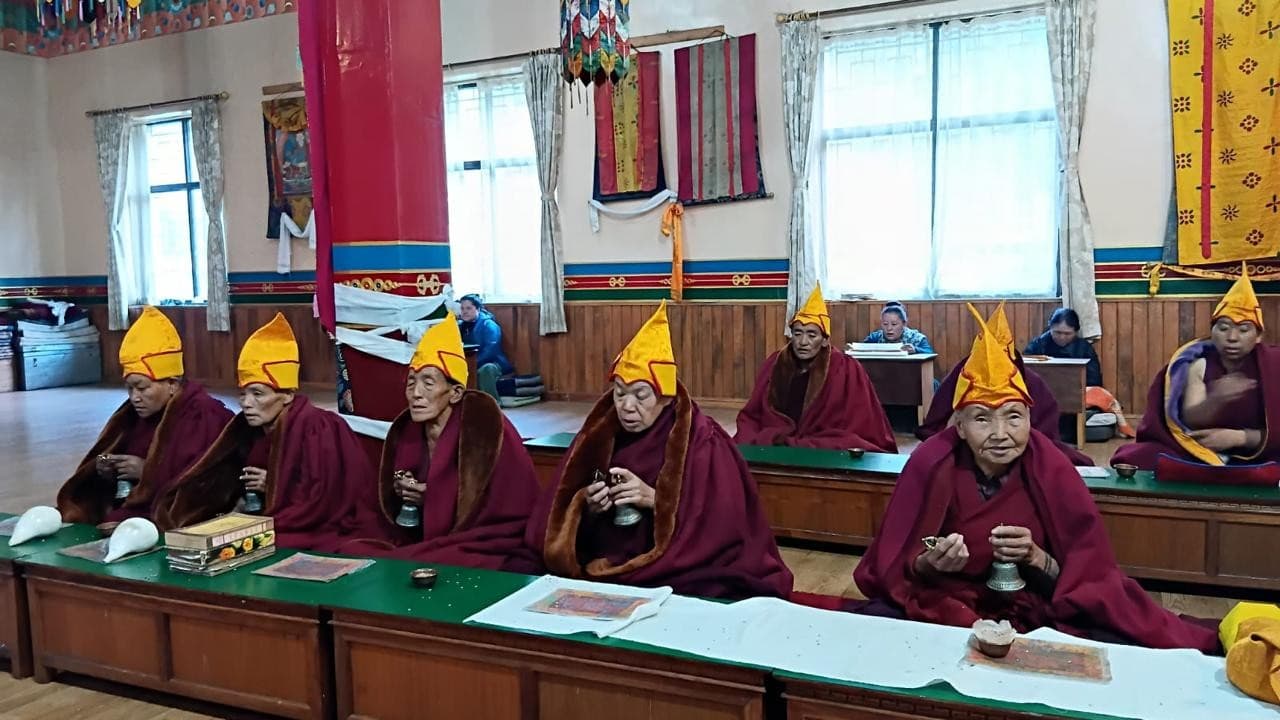
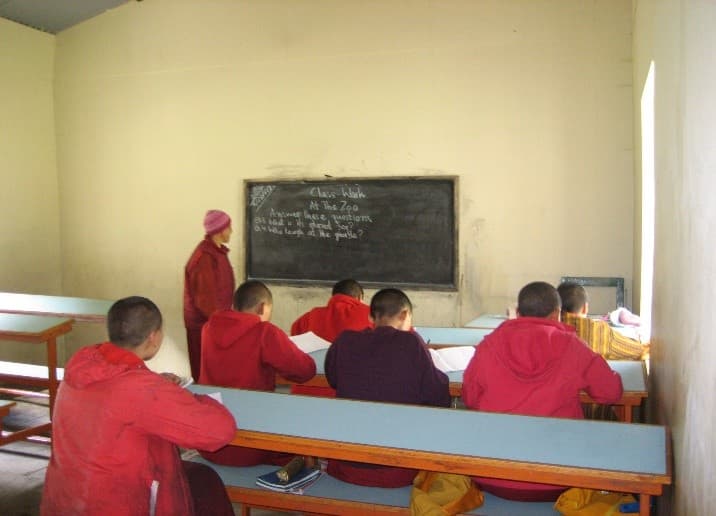
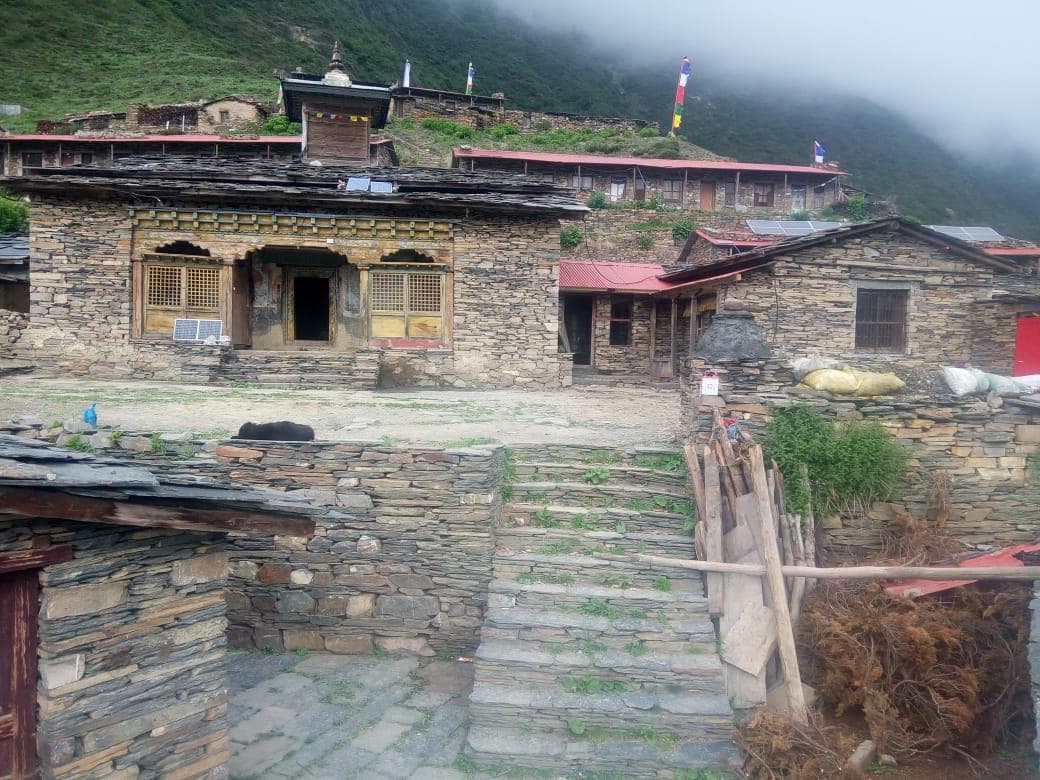
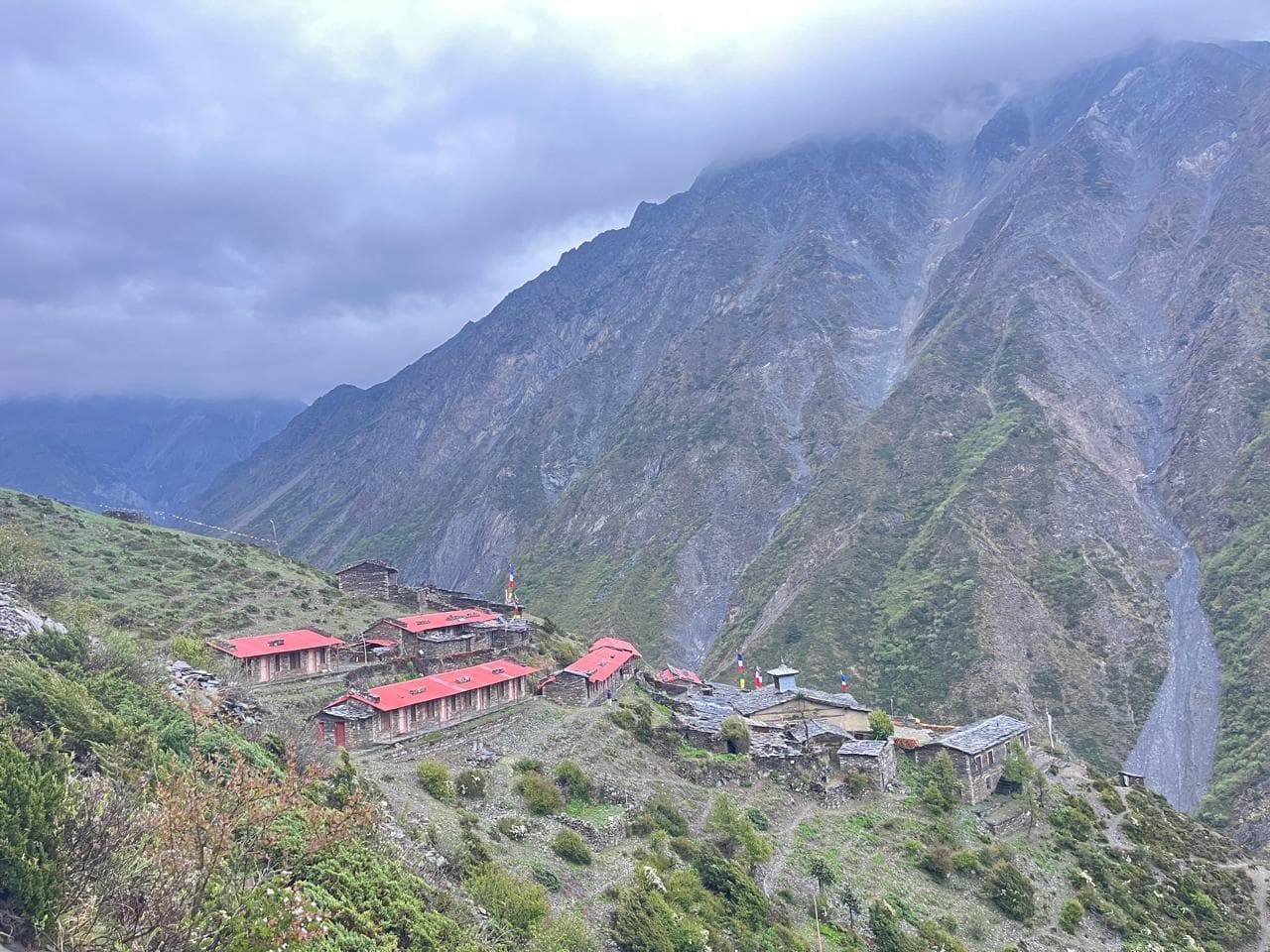
Rachen Nunnery is home to eighty young and old nuns, who meditate, perform daily Tara puja, and study. The transformation here has been remarkable: water is now piped in from a spring near a glacial lake, ensuring supply even through winter, and both communities, once without electricity, now have solar lights, solar showers, and power from a small nearby hydroelectric plant. The nunnery runs a proper school, where a qualified Geshe teaches Buddhist philosophy alongside Tibetan, English, and basic math. Some of the older nuns, who were here when Geshe Lama Konchok was abbot in the 1970s, now live in Nyungne retreat in their own area, while a resident Tibetan doctor treats health problems for the nuns and the wider local community, where health centers are few and often hours of walking away.
New warm, spacious rooms, a kitchen, dining hall, and classrooms have all been built, so the nunnery can offer food, medical care, and education to everyone who needs it.
Mu Gompa — 3,700 metres (12,140 feet)
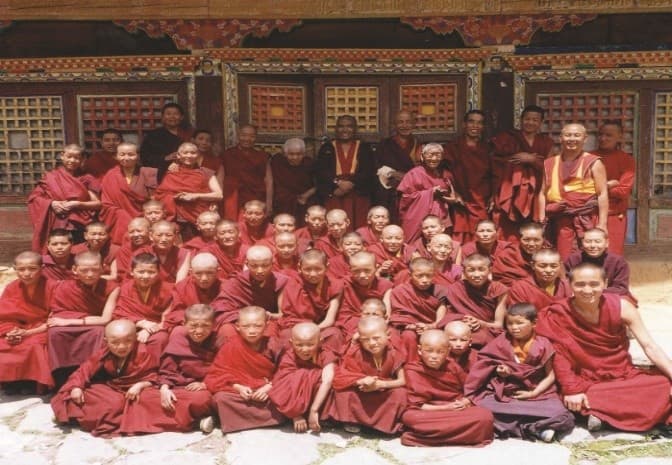
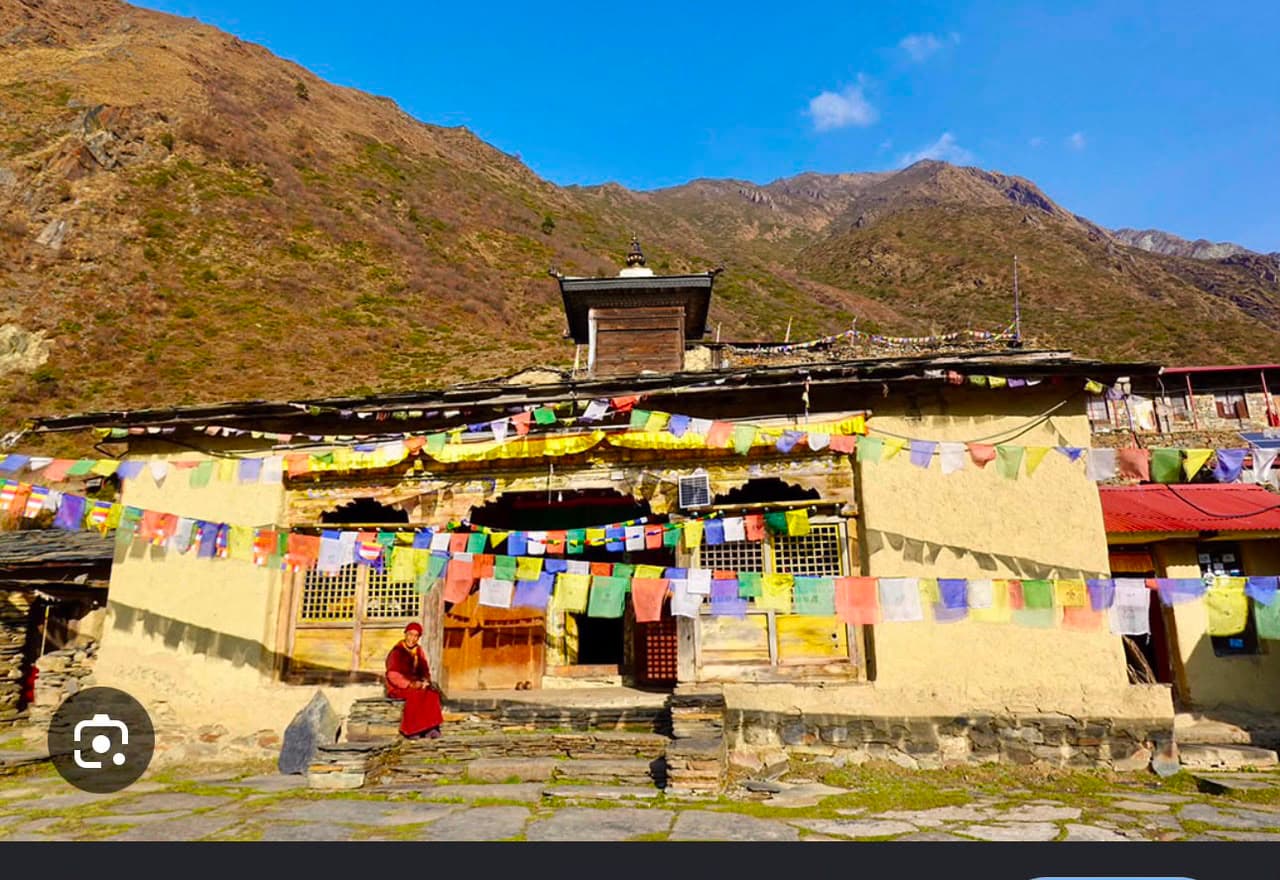
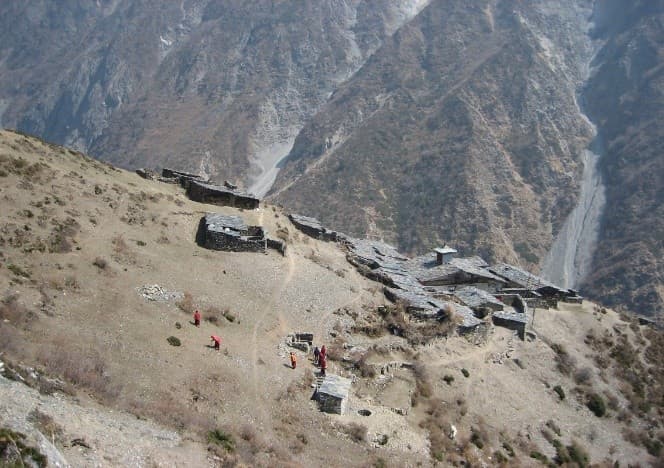
Mu Gompa sits at 3,700 meters, atop a hill amid towering peaks in spectacular surroundings. It's remote — the next settlement is several hours' walk away — but wonderfully quiet, the perfect place for meditation. Around 20 monks live, study, and practice here. The younger ones attend classes with the resident Geshe, take part in pujas and ceremonies, and help with daily chores, while the older monks, several of whom have lived here 40 years or more, stay in retreat and guide the younger monks in their practice.
The wind whistles constantly through the eaves of the buildings. Like the rest of Tsum, winters here are long and harsh — with little heating and a food supply that depends entirely on the weather, just getting by takes real effort. Food is scarce: only potatoes, barley, buckwheat, and mustard seed (used for cooking oil) grow at this altitude, and a few green vegetables manage to survive in sheltered spots during the short summer.
Most supplies have to travel a long way to reach here — some arrive by yak caravan from Tibet, others come from lower Gorkha, a five-day walk away by pack mule. The high cost of transport makes everything expensive: food, clothing, medicine, and building materials alike.
These two communities need real support, and Kopan continues to launch projects that improve the quality of life there.
Tsum Current Project
High in the Himalayas lies the sacred Tsum Valley, a hidden Buddhist treasure blessed by great meditators like Padmasambhava and Milarepa. It's a rare "bloodless" region, where for over a hundred years no killing of animals has been allowed and the local people have practiced vegetarianism — renowned for its pure spiritual heritage and untouched natural beauty. Among its villages are Mu Gompa and Rachen Nunnery.
World Peace Stupa
At Rachen Nunnery, at an altitude of approximately 3,240 meters (10,630 feet), an extraordinary 88-foot World Peace Stupa is being constructed - a magnificent holy object modelled after Kathmandu's Boudhanath Stupa, a UNESCO World Heritage Site, inspired and blessed by the vision of Lama Zopa Rinpoche . According to Rinpoche, the land chosen for the stupa is so sacred that simply touching it with one's feet can lead to realizations. The stupa will consecrate the entire world and serve as a beacon of peace and compassion for countless beings. In the future, the stupa will become a destination for meditation retreats, where people from every religious tradition can gather, undertake spiritual journeys of transformation, and unite in prayer for peace.
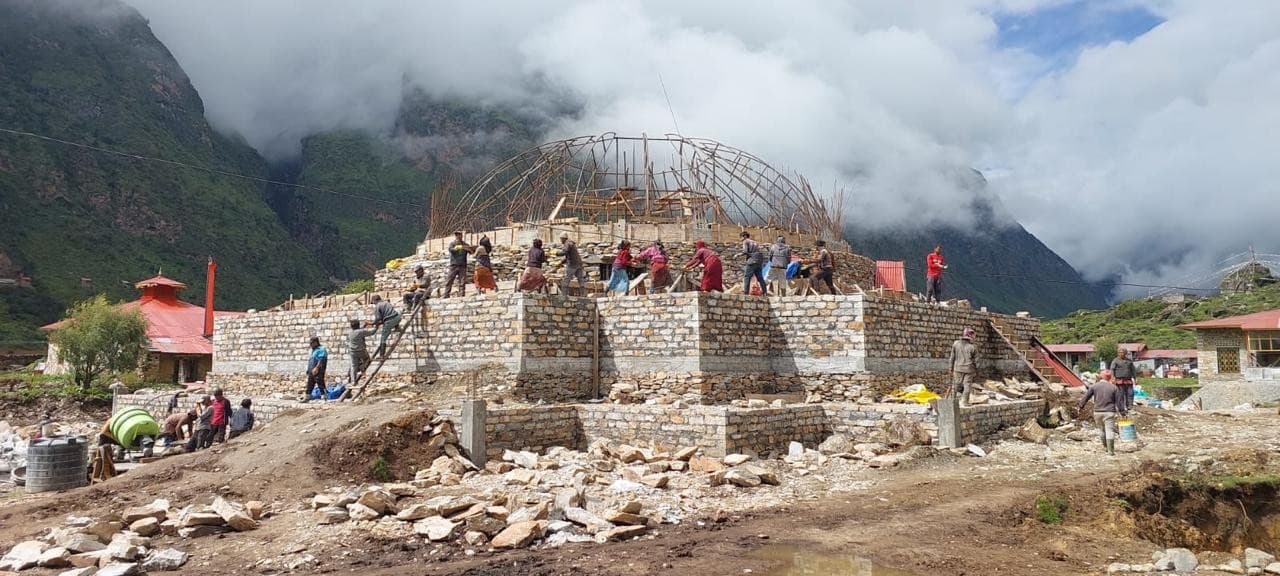
World Peace Stupa construction at Rachen Nunnery, Tsum Valley, Nepal
By supporting this project, you have the rare opportunity to help fulfill one of Lama Zopa Rinpoche's final aspirations and create immense merit, bringing blessings to all sentient beings — joining people all over the world who are already contributing their time, energy, and funds.
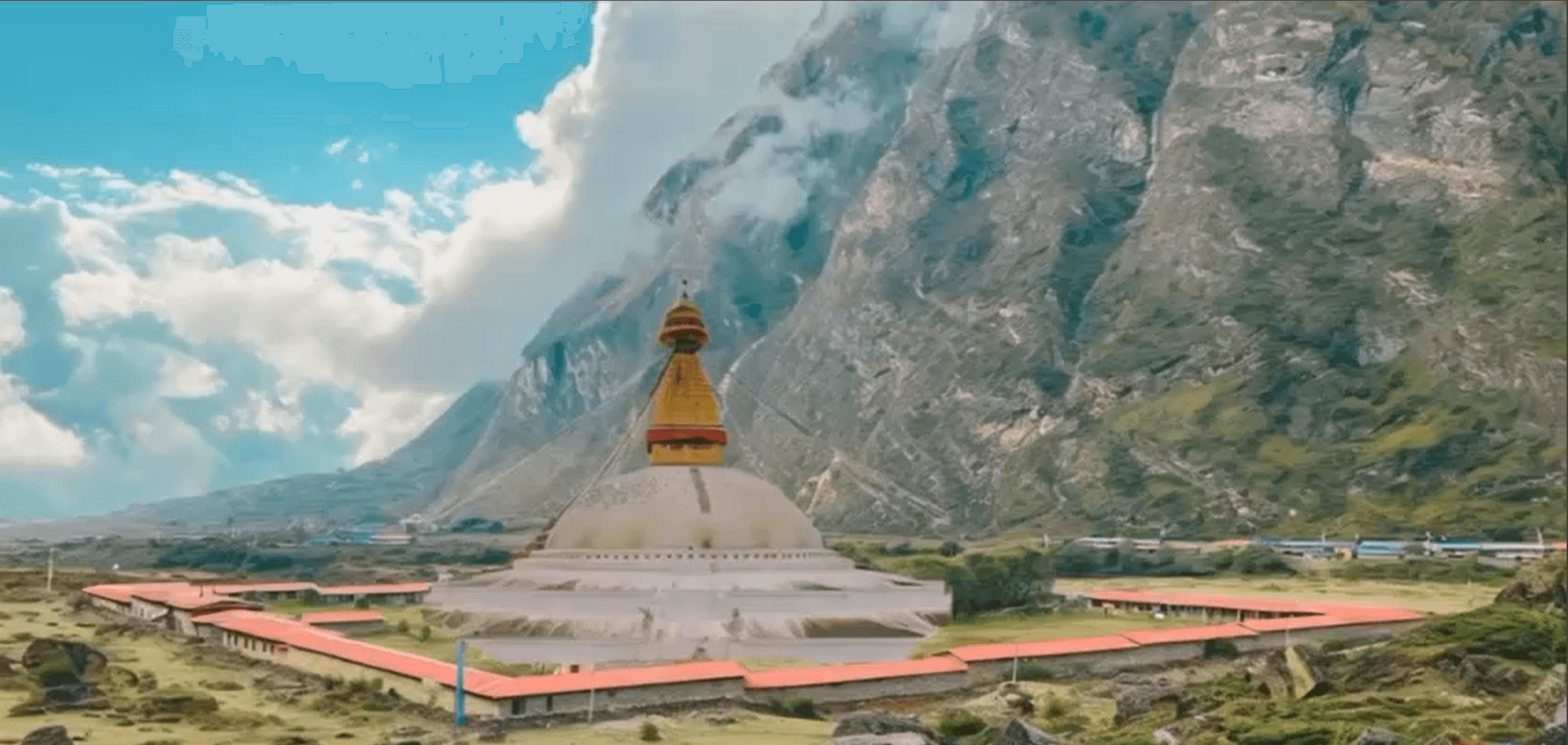
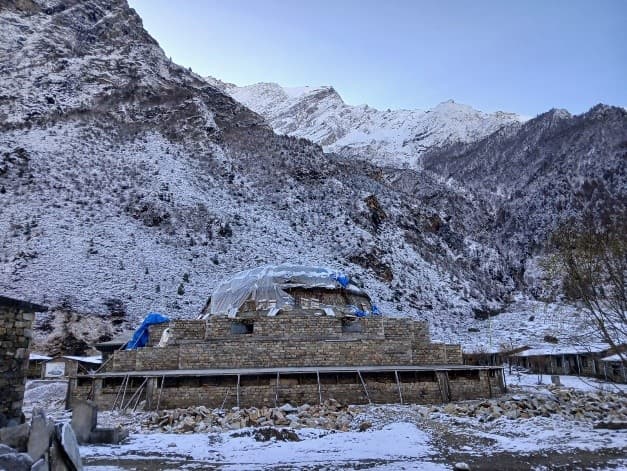
The future World Peace Stupa, inspired by the vision of Lama Zopa Rinpoche
How you can help tsum
Make a donation towards these needs
World Peace Stupa
Your donation will help maintain and preserve this sacred monument.
Daily Needs
Food, robes and warm clothing
Medical Care
Health camps, medical supplies, and wages for a full-time nurse.
Education
Wages for teachers, books, pencils and learning materials.
General donation
Improvements and maintenance, emergency health care
Quick Links
FAQ
Privacy Policy
